Why do organizations implement segmentation, and what are the benefits?
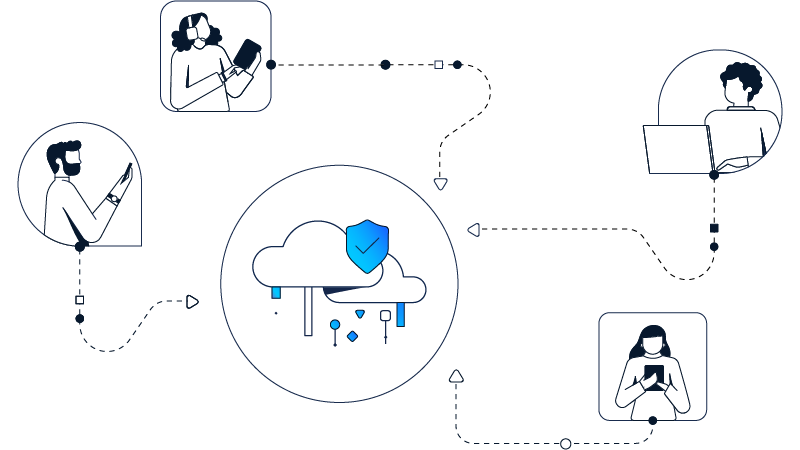
Organizations use segmentation to control which users, devices, workloads, and applications can communicate. Effective segmentation supports five core outcomes:
- Enforce least privilege: Allow only necessary communication between segments and workloads based on policy, identity, role, and context.
- Limit blast radius and incident impact: Isolate systems and restrict unauthorized lateral movement so a compromise is less likely to spread.
- Improve incident response: Help security teams contain suspicious activity in a defined segment and focus investigation and remediation without disrupting the entire network.
- Strengthen operational resilience: Enable targeted isolation so critical services outside an affected segment can remain available during an incident.
- Support compliance: Separate sensitive data and systems, apply access controls, and reduce the scope of monitoring and audits.
Why segmentation matters in the age of AI
AI applications and agents often connect to APIs, data, cloud services, and infrastructure. Each connection can become a path for unauthorized access or lateral movement. Segmentation helps enforce least-privilege communication between AI components and the resources they use, limiting the reach of a compromised or overprivileged agent while supporting Zero Trust controls.